You don't need ten thousand hours to belong in general aviation. You need good habits, the right gear, and a community that understands why you'd rather spend a Saturday at the airport than anywhere else.
This guide covers three things every GA pilot and owner can use: tips that keep your aircraft airworthy and your flights safer, gear that earns a permanent spot in your flight bag, and the events, clubs, and forums where this community actually connects.
If you're a student pilot working toward your check ride or an owner who has logged years in the same airplane, you'll find something useful here.
Maintenance Tips for GA Pilots
A few habits separate pilots who fly worry-free from pilots who get grounded by something they could have caught early.
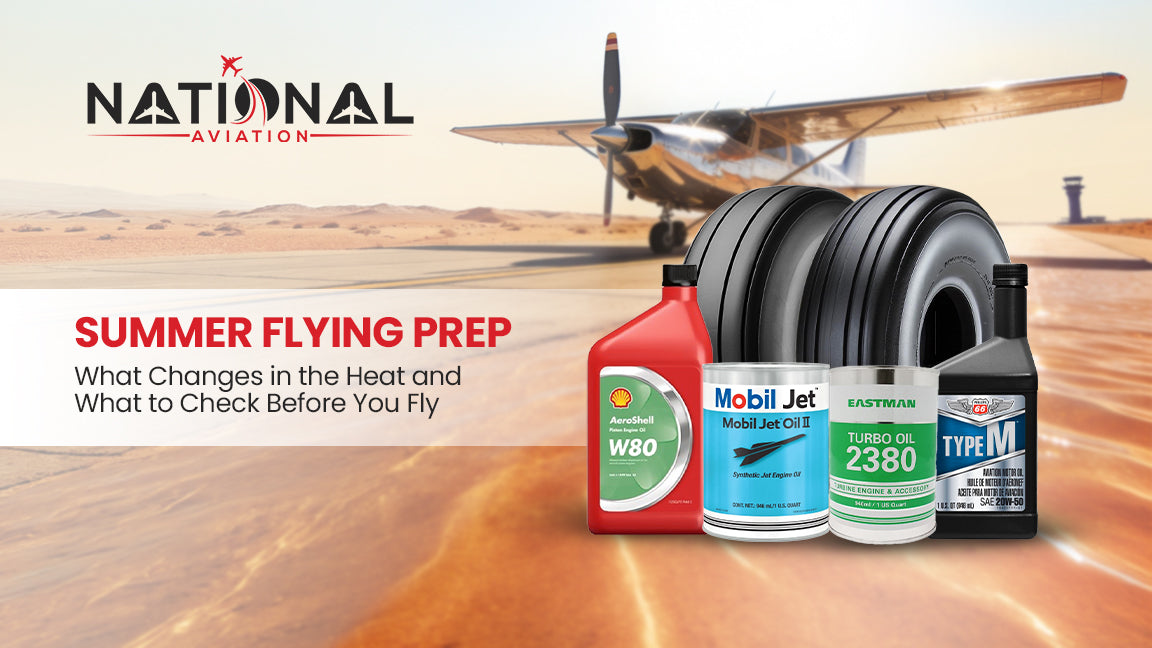
• Change your oil on a schedule. Lycoming recommends a 50-hour interval for full-flow filtration systems and 25 hours for pressure-screen systems. Four months is the outside limit either way, even if you haven't logged many hours (Lycoming Service Bulletin No. 480). Browse AeroShell oils and lubricants for your next change.
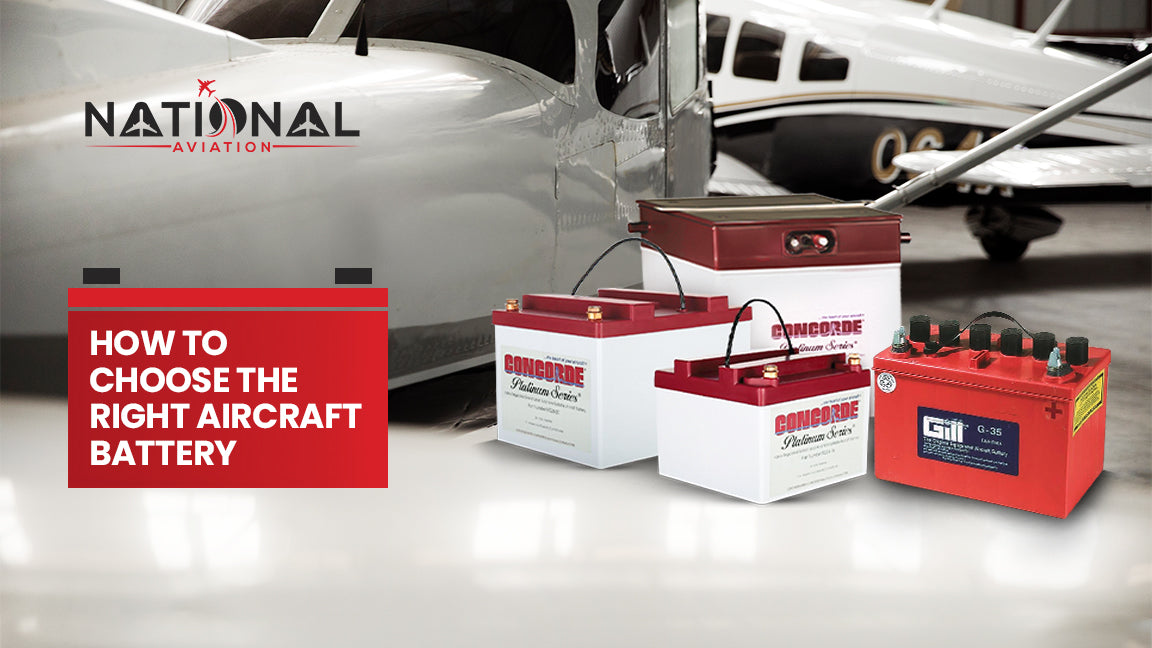
• Check your battery before the weather turns. A battery that starts your engine fine in September can leave you stranded in January. Test it before cold weather hits, not after it fails. Shop aircraft batteries from Concorde, Gill, and Saft.
• Inspect your tires at every preflight. Look for uneven wear, exposed cord, and flat spots. Don't save this check for the annual. Tire pressure also runs higher in summer heat, so check it before you taxi on a hot ramp. Michelin aircraft tires and Airstop tubes cover most GA fleets.
• Sump your fuel tanks before every flight. Water and contaminants settle at the low point of the tank. A few seconds with a sampler cup catches a problem before it ever reaches the engine.
• Check spark plugs at every oil change. Fouled or worn plugs show up as a rough-running engine long before they show up on a compression test. Most shops clean and gap them every 100 hours or at annual.
• Respect density altitude in the heat. A 3,000-foot runway can perform like a 6,000-foot runway on a 95°F afternoon. Run the numbers from your POH before you load up and go. The National Aviation blog covers the math in more detail.
• Keep a real squawk list. Write down anything that felt off during a flight, even if it didn't stop you from flying. A small issue caught early costs a part. The same issue ignored costs an engine.
Pilot Gear Every GA Owner Should Have
The right gear doesn't make you a better pilot, but it removes a lot of friction from the job.
• A headset that fits your ears and your budget. Bose A20 and David Clark H10-13.4 are the two headsets most GA pilots land on, for different reasons: Bose for comfort on long cross-countries, David Clark for durability that survives decades in a flight bag. Try both before you buy if you can.
• A kneeboard you'll actually use. Choose one that holds your chart, your checklist, and a pen within reach, without blocking the yoke.
• A flight bag built for your mission. Student pilots need room for a logbook and a headset. Owners flying IFR cross-countries need room for backup batteries, a handheld radio, and spare charts.
• A portable ADS-B receiver. Devices like Stratus and Sentry put real time traffic and weather on your tablet. Worth the cost the first time it shows you traffic you hadn't spotted.
• An oxygen system if you fly above 10,000 feet regularly. Portable systems have gotten lighter and cheaper. If density altitude or terrain pushes you up there often, don't skip this.
• A reliable flashlight or headlamp. Preflight happens in dark hangars and ramps before sunrise more often than pilots admit. A headlamp keeps both hands free for the checklist.
• Basic tools if you own the aircraft. A torque wrench, safety wire pliers, and a borescope let you do simple maintenance tasks yourself and understand what your mechanic is telling you during an annual. National Aviation's tools and equipment page covers all three.
Where General Aviation Pilots Connect
General aviation is a small world, and that's part of the appeal.
• EAA AirVenture Oshkosh. The biggest gathering in GA, running July 26 through August 1, 2027, in Oshkosh, Wisconsin. Thousands of aircraft, hundreds of forums, and a week that reminds you why you started flying.
• Sun 'n Fun Aerospace Expo. Lakeland, Florida hosts this one April 6 through 11, 2027. Smaller than Oshkosh, warmer weather, and a strong turnout from the Southeast.
• Regional fly-ins. Smaller fly-ins and the classic hundred-dollar hamburger run happen most weekends somewhere within range of your home airport. They're the easiest way to meet pilots who fly the same patterns you do.
• Type clubs. If you fly a specific make and model, a type club like the American Bonanza Society or the Cessna Pilots Association gives you access to pilots who know your exact airplane's quirks, parts sources, and maintenance history.
• Online forums. Sites like Pilots of America and Van's Air Force run active threads on everything from oil change intervals to panel upgrades. A good search often turns up someone who already solved your problem.
• AOPA. Membership gets you safety seminars and legal protection, but AOPA also runs regional fly-ins that put you in a room with pilots and mechanics working through the same questions you are.
• Local EAA chapters. Most regions have one. Chapter meetings, pancake breakfasts, and Young Eagles flights are where a lot of pilots make their first aviation friends outside their own flight school.