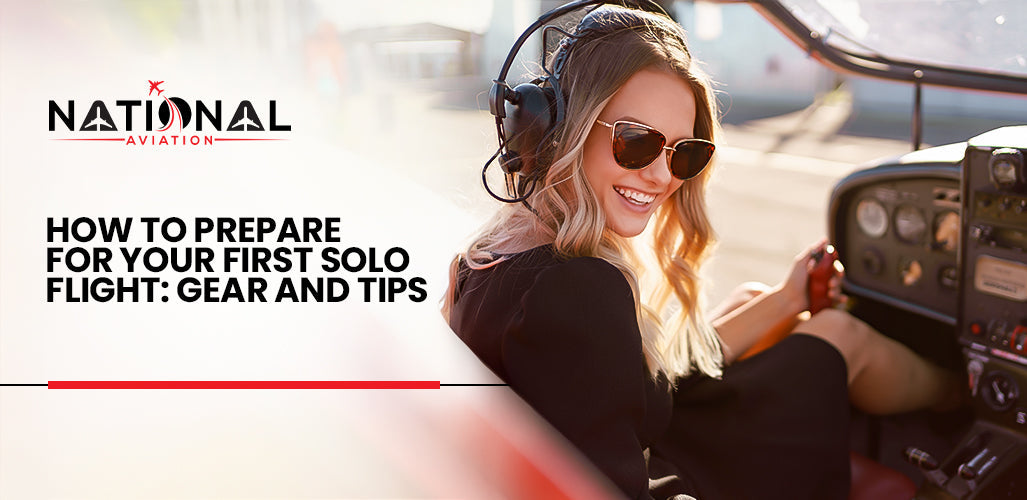
Embarking on your first solo flight is a milestone for any pilot. It marks the transition from supervised flight training to independent aviation. According to the Federal Aviation Administration (FAA), solo flights are essential in earning a private pilot certificate. Preparing thoroughly can make the experience safe and enjoyable.
Mental Preparation
Before taking off alone, pilots should ensure they are mentally prepared. Reviewing aircraft operating procedures and emergency protocols is critical. The Aircraft Owners and Pilots Association (AOPA) recommends that students practice communication, including standard radio calls, to maintain situational awareness during solo operations.
Visualization exercises can also reduce anxiety. Mentally walking through the preflight checklist, takeoff, maneuvers, and landing can reinforce training and boost confidence.
Essential Gear for Solo Flight
Having the right equipment is equally important. National Aviation, a leading supplier of general aviation products and pilot gear, offers tools to help prepare for solo flights.
1. Aviation Headset
A quality headset ensures clear communication with air traffic control and protects against noise-induced hearing loss. Bose and David Clark headsets are popular choices among student pilots.
2. Kneeboard
A kneeboard keeps checklists, charts, and notes within reach. It allows pilots to quickly reference key information without compromising aircraft control.
3. Flight Bag
A durable flight bag organizes essential gear, including headsets, logbooks, and charts. National Aviation offers options tailored for student and professional pilots.
4. Pilot Logbook
Maintaining an accurate logbook is crucial for tracking flight hours, endorsements, and solo milestones. Jeppesen and ASA logbooks are widely used across the general aviation community.
5. Aircraft Checklists
Having a printed checklist for your specific aircraft helps avoid errors and ensures compliance with FAA regulations.
Solo Flight Tips
- Conduct a Thorough Preflight Inspection
Check fuel levels, flight controls, and engine condition. A meticulous inspection reduces the risk of mechanical issues during flight. - Stay Within Your Skill Limits
Only perform maneuvers you have practiced and are comfortable executing. Avoid complex patterns or challenging weather conditions on your first solo. - Monitor Weather Closely
Weather conditions should meet your training level. Calm winds, good visibility, and minimal turbulence are ideal for a first solo. - Maintain Situational Awareness
Be aware of other traffic in the pattern and remain vigilant about your altitude, heading, and airspace restrictions. - Stay Calm
Unexpected situations can occur. Following your training and maintaining composure is critical for a safe flight.
Gear and Supplies From National Aviation
National Aviation's online store provides aviation supplies, pilot gear, and general aviation products. Benefits include free shipping on orders over $350, same-day shipping, and an easy-to-use online shopping experience. Pilots can also use code NA25 for a 10% discount on orders.
Conclusion
Preparation is the key to a successful first solo flight. Pilots can make this milestone a memorable achievement by combining mental readiness, the right equipment, and careful adherence to procedures.