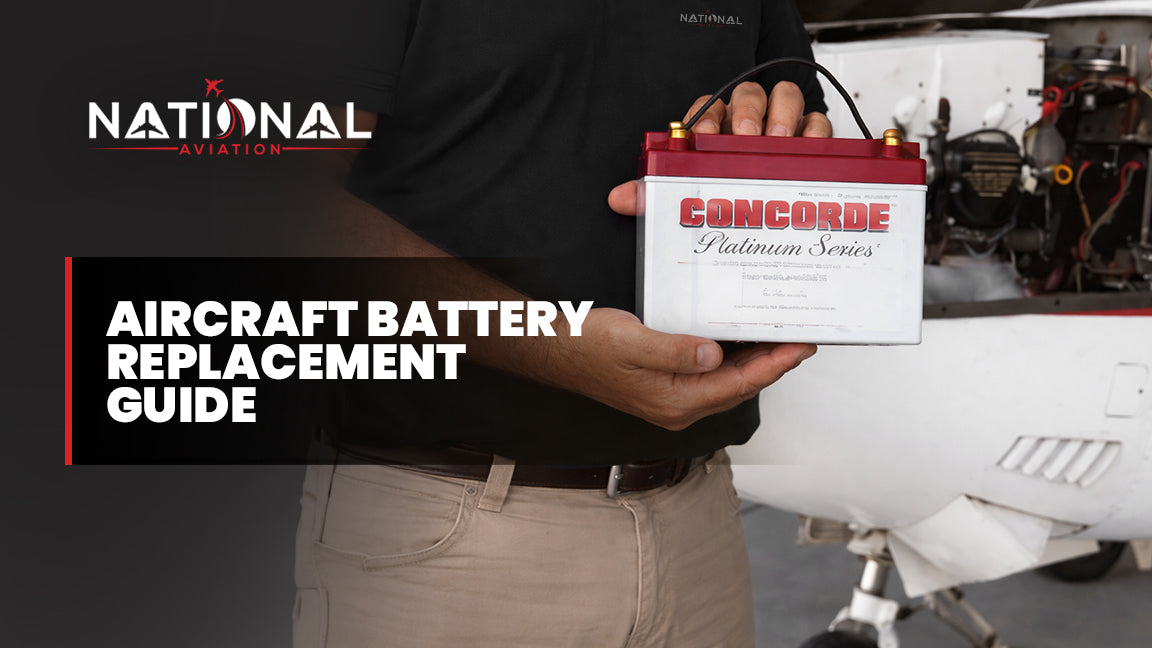
Aircraft batteries are a core part of your aircraft’s electrical system. They power engine starts, support onboard systems, and act as a backup when it matters most. Over time, even high-quality batteries lose their ability to hold charge and deliver consistent performance. Knowing when and how to replace your aircraft battery helps avoid delays, inspection issues, and unexpected failures.
Battery performance does not decline overnight. It happens gradually. You may first notice slower engine starts or voltage fluctuations. In many cases, batteries fail during annual inspections or during seasonal changes when demand for the electrical system increases. This is why regular checks and timely replacement are essential.
During inspections, battery condition is evaluated closely. Maintenance teams look for physical damage, test voltage stability, and verify the battery’s ability to hold charge. A key benchmark is capacity. If a battery drops below about 80 percent of its original capacity, it is no longer considered reliable for continued use. In most cases, aircraft batteries operate effectively for three to six years depending on usage and conditions.
Key signs your battery needs replacement
- Weak or slow engine start
- Battery not holding charge after rest
- Visible swelling or damage
Proper charging and handling also play a major role in battery life. Using approved chargers, maintaining correct voltage levels, and avoiding overcharging are critical. Improper charging can damage internal components and reduce performance. It is also important not to mix batteries of different types, age, or specifications, as this can lead to uneven charging and system issues.
If your aircraft is stored for extended periods, battery care becomes even more important. Disconnecting the battery prevents unnecessary drain from onboard systems. A fully charged battery can retain charge for long periods, but environmental factors and aircraft systems can still impact performance over time.
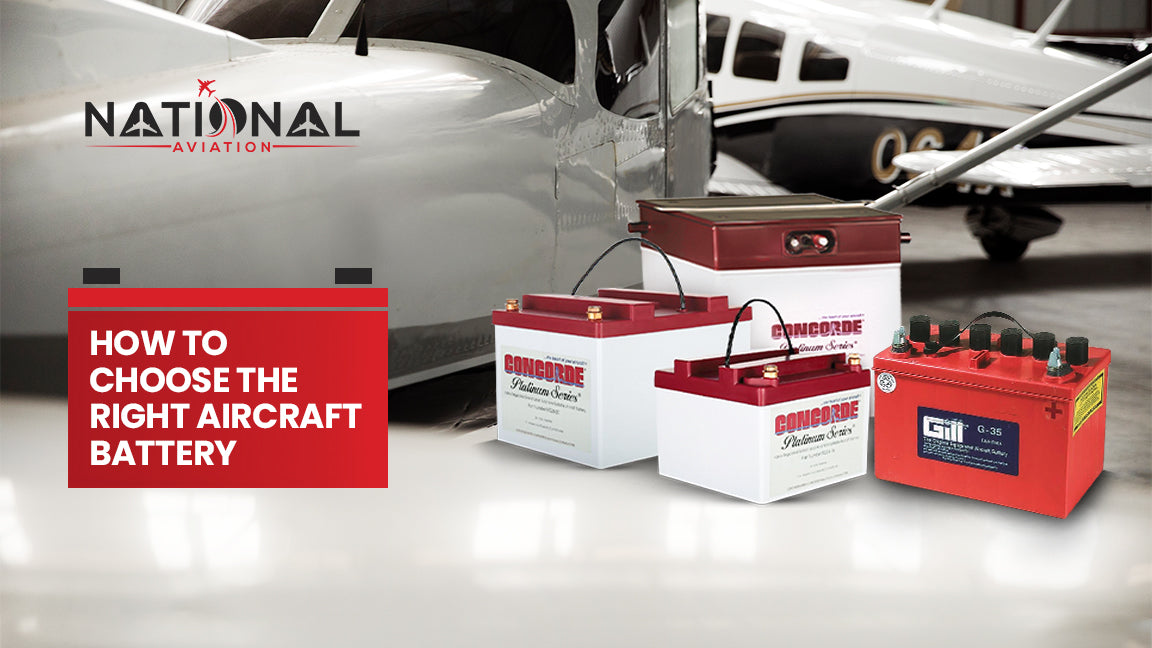
Selecting the right battery depends on your aircraft type and operational needs. Different designs offer specific advantages based on performance, durability, and maintenance requirements.
RG-390E/LS |
Fireproof, stainless-steel design with side vent tubes. Built for enhanced safety in demanding environments. |
RG-442 |
Designed for high shock and vibration resistance. Suitable for aircraft operating in tougher conditions. |
RG-355 |
Low impedance design that supports efficient power delivery and reliable engine starts. |
RG-380E/53L |
Maintenance-free design that reduces upkeep while maintaining consistent performance. |
RG-380E/60L |
Delivers superior turbine starting power for higher performance aircraft. |
Best practices for longer battery life
- Use only approved charging equipment
- Keep terminals clean and properly secured
- Monitor voltage and performance regularly
Avoiding common mistakes can extend battery life and improve reliability. Installing incorrect battery types, ignoring early warning signs, or delaying replacement after inspection feedback can lead to larger issues. Even batteries that appear similar should not be substituted unless approved for the specific aircraft.
Fast access to the right battery, backed by available inventory and support, helps keep your aircraft on schedule. Replacing them at the right time ensures smooth operations and avoids unnecessary downtime.
Shop aircraft batteries at https://nationalav.aero/.